

Designing for Trust: How Smart Brands Win Before the First Sale
In an era defined by choice and constant digital noise, brands face a unique challenge: winning trust before they even make a formal introduction. Long before a product is purchased, a service booked, or a conversation initiated, prospective customers are making judgments. These snap impressions are not driven solely by logic or price. They are emotional responses, built on subtle cues that brands emit — often unintentionally.
At RocketDog, we believe that trust is not merely claimed. It’s designed. And it’s this understanding that separates the brands that endure from those that fade.
The Silent Power of Design in Trust Building
When people encounter your brand, they are looking for signs — signs that you are credible, competent, aligned with their needs, and stable. But they aren’t consciously analyzing logos or scrutinizing kerning. They are making near-instant assessments, a process behavioral scientists call “thin slicing.” As highlighted in Malcolm Gladwell’s Blink, humans have the innate ability to draw conclusions from minimal information.
Your design — from the structure of your website to the tone of your social media graphics — either supports or sabotages these micro-decisions.
Research backs this up. According to a study by Adobe, 38% of users will stop engaging with a website if they find the layout unattractive. Poor design isn’t just an aesthetic problem; it’s a business problem.
Design isn’t decoration. Design is emotional architecture.
What Strategic Brands Understand About Trust
Leading brands understand that every design decision communicates — whether they intend it to or not. Consider Apple’s clarity, Patagonia’s authenticity, or American Express’s quiet strength. None of these brands leave design to chance. Every visual detail — typography, color palette, photography style, white space usage — is meticulously curated to project competence, reliability, and alignment with customer values.
McKinsey’s Business Value of Design report provides hard numbers: companies that emphasize strong design outperform industry peers by up to two times in revenue growth.
Design-led brands don’t just look polished. They build emotional stability with their audiences — a deep sense of “I know what to expect from you” — and that, in turn, builds trust.
The Pitfall of Trend-Chasing
In the pursuit of relevance, many brands fall into the trap of chasing the latest design trends. Neon gradients, brutalist typography, quirky illustration styles — all attractive on the surface but often disconnected from the brand’s core identity.
The cautionary tale of Tropicana’s 2009 rebrand, detailed by Fast Company, is a stark reminder. In an attempt to modernize its packaging, Tropicana abandoned key visual elements customers trusted. The result? A $50 million loss in sales in under two months.
True brand design is not reactive. It is principled and purpose-driven. Strategic design evolves from a deep understanding of what the brand stands for, not from a fleeting aesthetic trend.
Building a System that Scales Trust
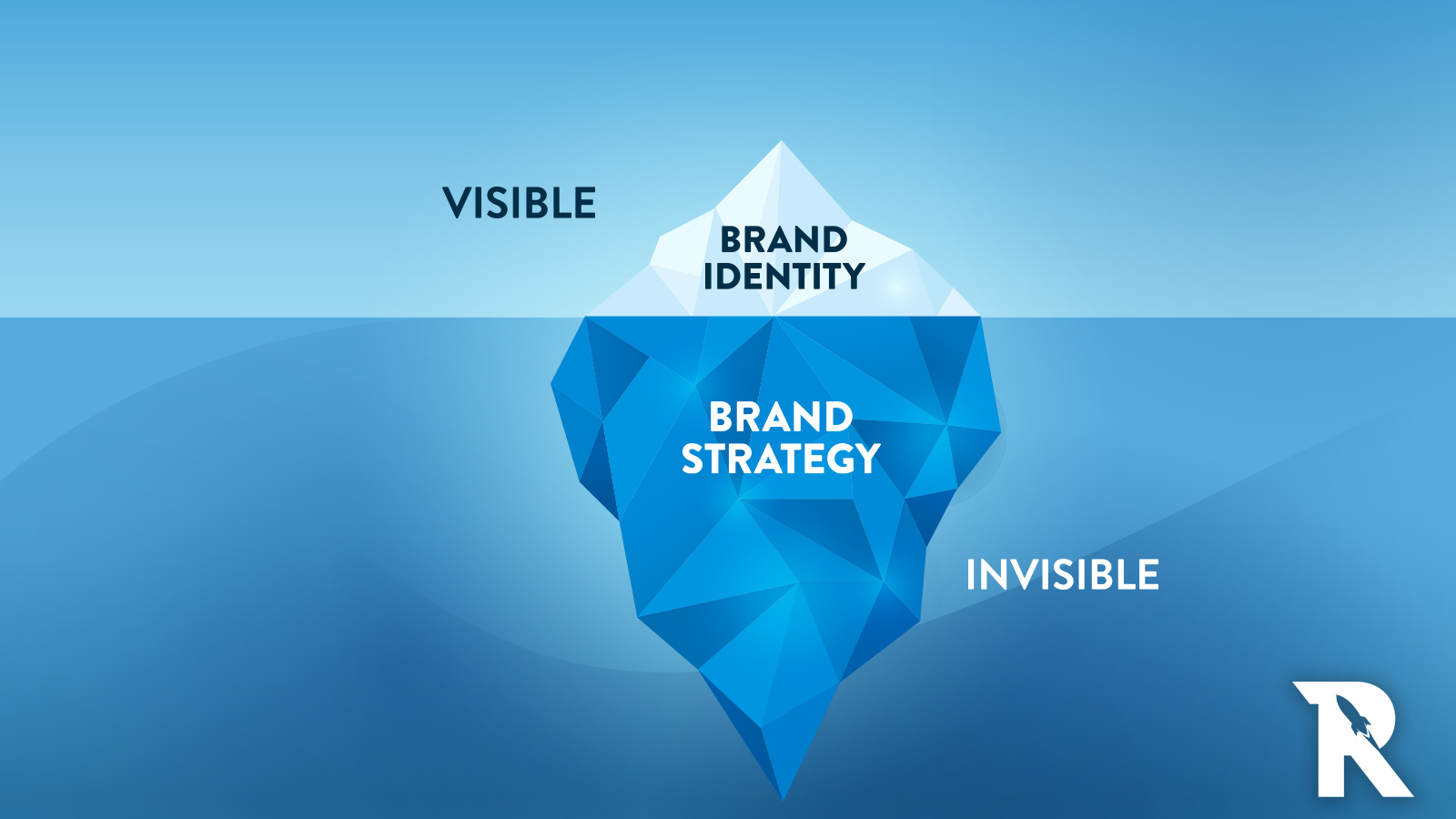
Designing for trust isn’t about executing a beautiful logo or refreshing a website once every few years. It’s about building a living, breathing system — one that evolves with the brand but remains grounded in its core DNA.
Strategic brands:
- Develop robust brand guidelines that extend beyond logos into voice, behavior, and customer experience.
- Create cross-functional alignment, ensuring marketing, sales, product, and customer service all express the brand consistently.
- Perform regular audits of brand touchpoints to identify friction points where trust might erode.
Look to IBM’s Design Language as an example. IBM treats design not as a phase, but as an operating system — a cohesive strategy that informs every interaction, from enterprise software interfaces to event signage.
Final Thought: Trust Is a Design Outcome
In a fragmented, hyper-competitive market, the brands that survive will be the ones that earn trust early, quietly, and repeatedly. Strategic design is a silent yet powerful force in that process. It tells customers, before they even realize it, “You are safe here. You can believe in us.”
At RocketDog, we help brands move beyond surface-level aesthetics and build emotional architectures that drive loyalty, advocacy, and growth.
Because in the end, the question every customer is asking is simple:
“Can I trust you?”
And the smartest brands know: the answer must be designed.
Looking to build a brand that earns trust before the first sale?
Let’s talk about how strategic design can set you apart. 🚀
Let’s build something great together. 🚀