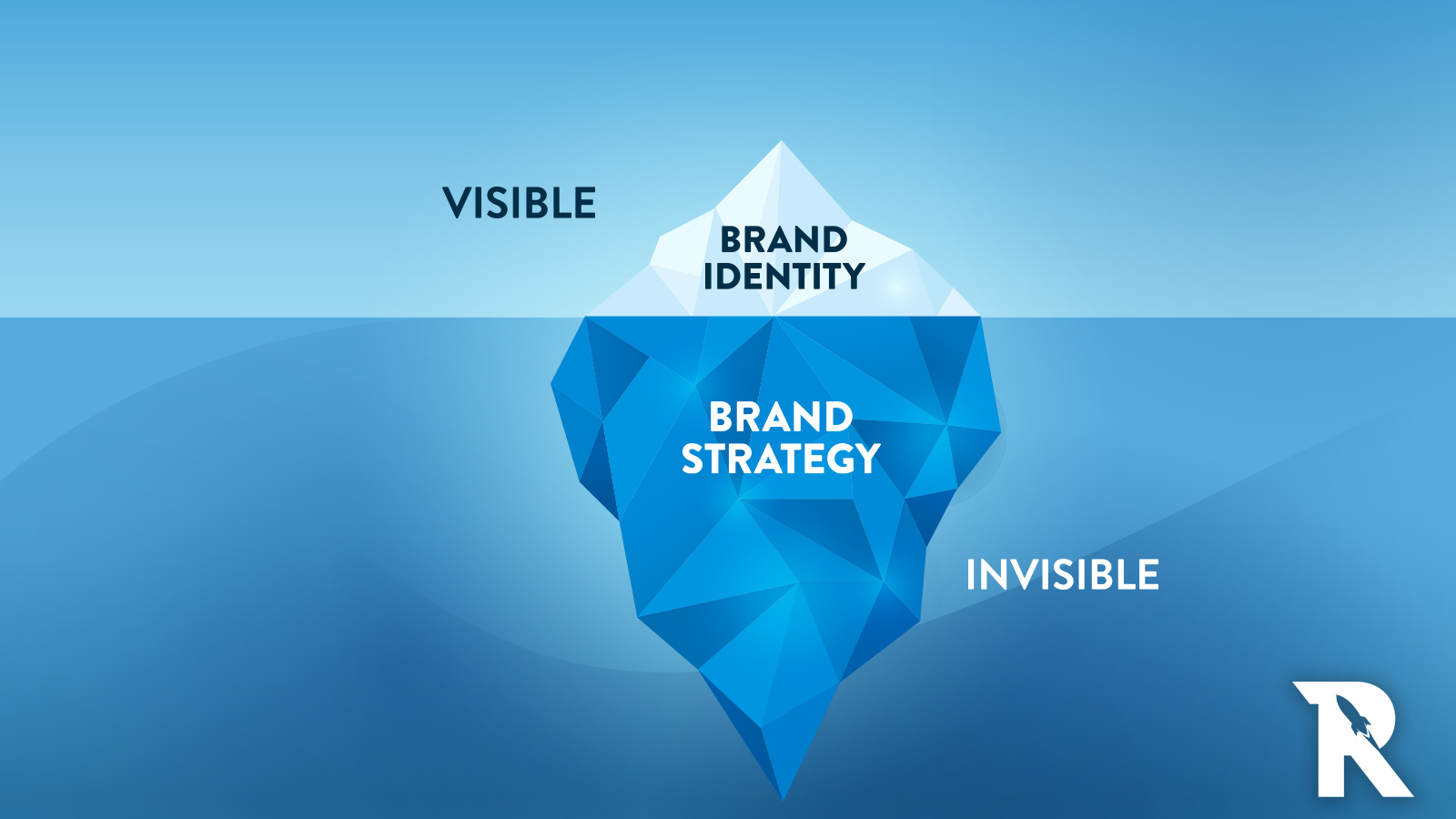
Consistency is often overlooked in branding. While most businesses focus on bold campaigns, new logos, or catchy messaging, the underlying framework that holds a brand together is often left fragmented. And the cost? It’s higher than most teams realize.
Inconsistent branding creates confusion, undermines credibility, and gradually erodes trust—a key driver of long-term business growth. As noted by Forbes, maintaining brand consistency “creates trust, improves brand recognition and increases customer loyalty in every industry.” Even a brand’s visuals and tone matter: research shows that consistent presentation across platforms can result in revenue growth of 10% or more. The takeaway? Consistency isn’t just a creative detail—it’s a strategic advantage tied to your bottom line.
At RocketDog, we’ve worked with growing companies, enterprise brands, and everything in between. One pattern is clear: the businesses that invest in brand consistency see greater engagement, better marketing performance, and stronger customer loyalty.
In this article, we’ll break down:
-
What brand consistency really means in today’s multi-platform world
-
The real costs of getting it wrong
-
How to create and maintain brand consistency across your organization
What Is Brand Consistency (And Why It’s Harder Than It Sounds)?
Brand consistency is the practice of delivering a unified brand experience across every channel, touchpoint, and team. It’s more than using the right logo or font. It’s about aligning visual identity, tone of voice, brand values, and customer experience.
But here’s the challenge: today’s customer journey is fragmented. Audiences move from Instagram to email to your website to a sales call—sometimes all in a day. If your messaging, design, or personality shifts dramatically between those points, it erodes trust and recognition.
Common pitfalls include:
-
Multiple teams creating content with different design styles or messages
-
Outdated brand guidelines or lack of access to them
-
Inconsistent visual treatment across platforms
-
A disconnect between brand voice and customer experience
Even small cracks in consistency can snowball into major brand dilution.
The Hidden Costs of Brand Inconsistency
The damage of inconsistency isn’t always obvious—but it adds up fast. Here’s how it shows up:
1. Lost Revenue Opportunities
Customers are less likely to buy from brands they don’t recognize or trust. If your look and message keep changing, you’re harder to remember and easier to ignore.
2. Increased Marketing Costs
Without centralized brand tools or templates, teams reinvent the wheel—leading to duplicated efforts, more revisions, and wasted budget.
3. Weaker Campaign Performance
When each touchpoint feels like it came from a different brand, your messaging loses clarity and power—hurting engagement and conversions.
4. Damaged Internal Culture
Inconsistency creates confusion among teams. When no one knows what “on-brand” means, it stalls momentum and fractures execution.
5. Brand Erosion Over Time
Without a strong, unified foundation, your brand gradually loses distinctiveness. That opens the door for competitors to take your place in customers’ minds.
How to Build (and Maintain) Brand Consistency
The solution isn’t rigid control—it’s clarity, collaboration, and systems that scale.
1. Create a Modern, Actionable Brand Guide
Most brand guides are static PDFs. At RocketDog, we help clients build dynamic, accessible brand systems that evolve with their business. This includes voice, tone, visual standards, and usage rules—all in one place.
2. Design Creative Templates That Empower Teams
From social posts to pitch decks, branded templates ensure consistency without stifling creativity. They allow for flexibility while keeping the brand intact.
3. Centralize Brand Assets
One of the simplest ways to stay consistent? Make sure everyone is working from the same files. A shared asset library keeps things aligned and accessible.
4. Train Teams on Brand Voice and Visual Identity
Brand consistency isn’t just for designers. Salespeople, marketers, developers, and leadership all play a role. Workshops or onboarding sessions can help keep everyone aligned.
5. Audit Regularly
Brands evolve. So should your systems. Regular audits of campaigns, websites, and marketing materials help catch drift and identify areas for refresh.
RocketDog in Action: A Brand System That Scales
When Comprehensive Wealth Management partnered with RocketDog, they needed more than a visual refresh—they needed a cohesive brand system that reflected their values and inspired trust. We redesigned their website, collateral, and messaging to ensure every detail—from typography to tone—reinforced their commitment to clarity, confidence, and care.
The result? A brand experience that resonates deeply with clients and scales seamlessly across channels.
Final Takeaway: Consistency Builds Confidence
In a distracted world, familiarity builds trust—and trust drives performance. Brand consistency isn’t about playing it safe. It’s about showing up with clarity, reliability, and purpose in every interaction.
At RocketDog, we help brands create systems that support scale, simplify execution, and build lasting credibility. Because the strongest brands aren’t just creative—they’re consistent.
Ready to unify your brand and unlock better results? Let’s talk.